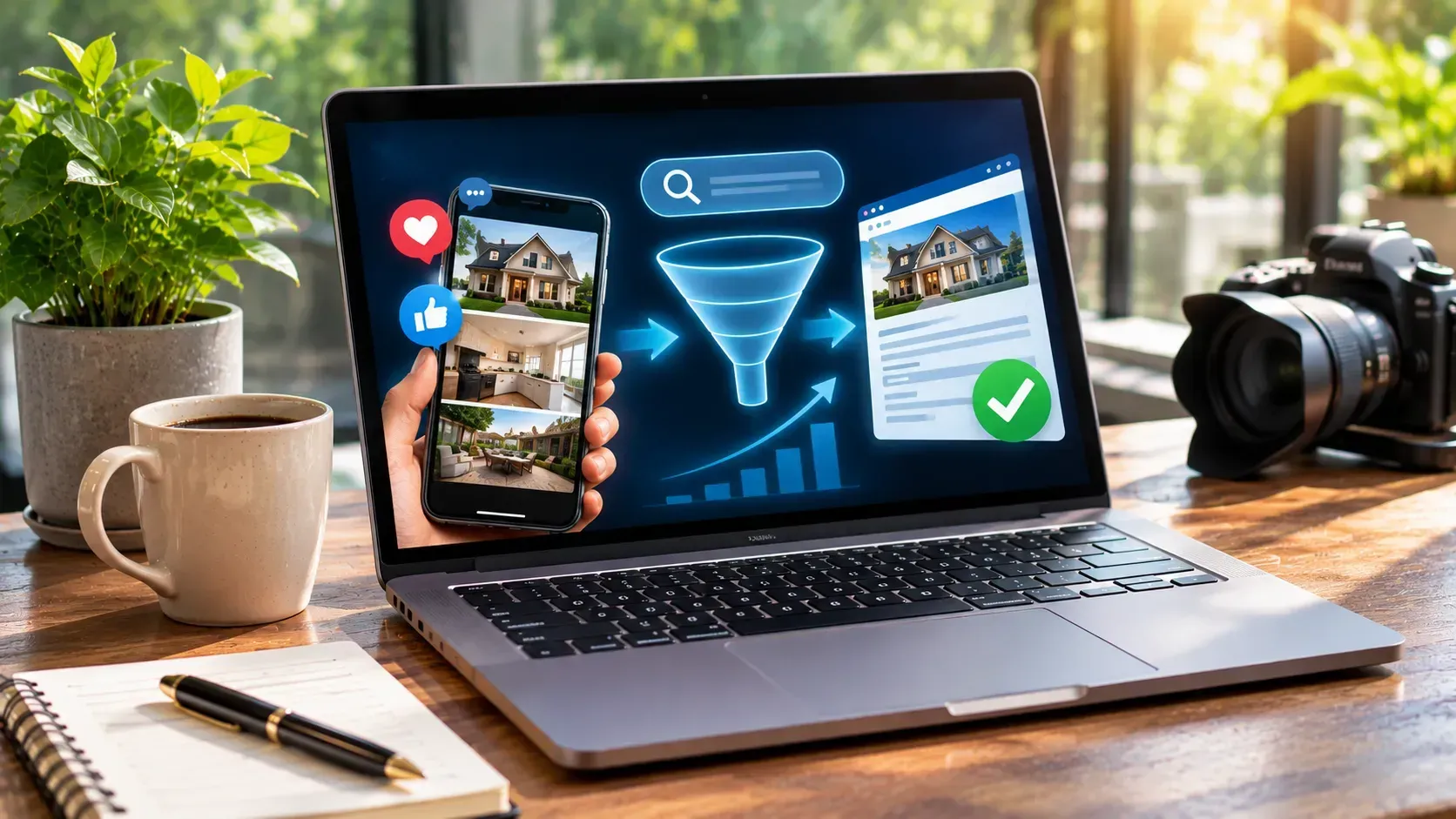
Your website is getting traffic. Visitors arrive. But somewhere between the first click and the phone call, most of them vanish, and you're left running the same broken math every month.
That gap isn't a traffic problem. It's a conversion architecture problem, and diagnosing it correctly requires a fundamentally different approach than most agencies offer.
Key Takeaways
- Quadrupling conversions isn't a single tactic; it's the result of fixing compounding gaps across visibility, trust, and page behavior at the same time
- Most local businesses lose conversions before a visitor ever reads the offer, because trust signals are absent or buried
- UPM Digital Media pairs every client with a dedicated local marketing expert who builds a customized strategy rather than applying a one-size-fits-all campaign
- Reputation signals directly affect whether visitors convert, not just whether they find you
- The methodology works by identifying which layer of the conversion funnel is leaking first, then rebuilding each layer in sequence
What Does "4x Conversions" Actually Mean?
The 4x Conversions goal means quadrupling the percentage of website visitors who take a desired action, whether that's calling, booking, submitting a form, or making a purchase, without necessarily increasing ad spend or traffic volume. UPM Digital Media reaches this by diagnosing the specific friction points in a business's digital presence and rebuilding those touchpoints in sequence.
Why Are Most Local Business Websites Losing Conversions Before Anyone Reads the Offer?
The conversion problem most local businesses face isn't a weak offer. It's that the page never earns enough trust to make the offer credible in the first place.
When a visitor lands on your site, they're carrying an unspoken question: is this business real, local, active, and capable of solving my problem? If the page doesn't answer that question within the first few seconds, they leave. The offer never gets read.
This is the mechanism behind most low conversion rates. Trust signals are either absent, inconsistent, or buried so far down the page that they never register. Reviews that are years old. A Google Business Profile with no photos. A homepage that describes services in vague terms without naming the city or neighborhood it actually serves.
Trust signals are the conversion layer most businesses skip entirely, because they're invisible when they're working and quietly expensive when they're not.
UPM Digital Media's review generation and reputation management approach treats this as a structural fix rather than a cosmetic one. The goal isn't simply more stars on a profile. It's placing the right social proof at the exact moment a visitor is deciding whether to call.
What's the Methodology Behind the 4x Conversions Framework?
The 4x Conversions methodology is a sequential diagnostic and rebuild process. It identifies which layer of a business's digital presence is creating the most friction, addresses that layer first, then works through the remaining gaps in order of impact.
There are four distinct layers where conversions break down.
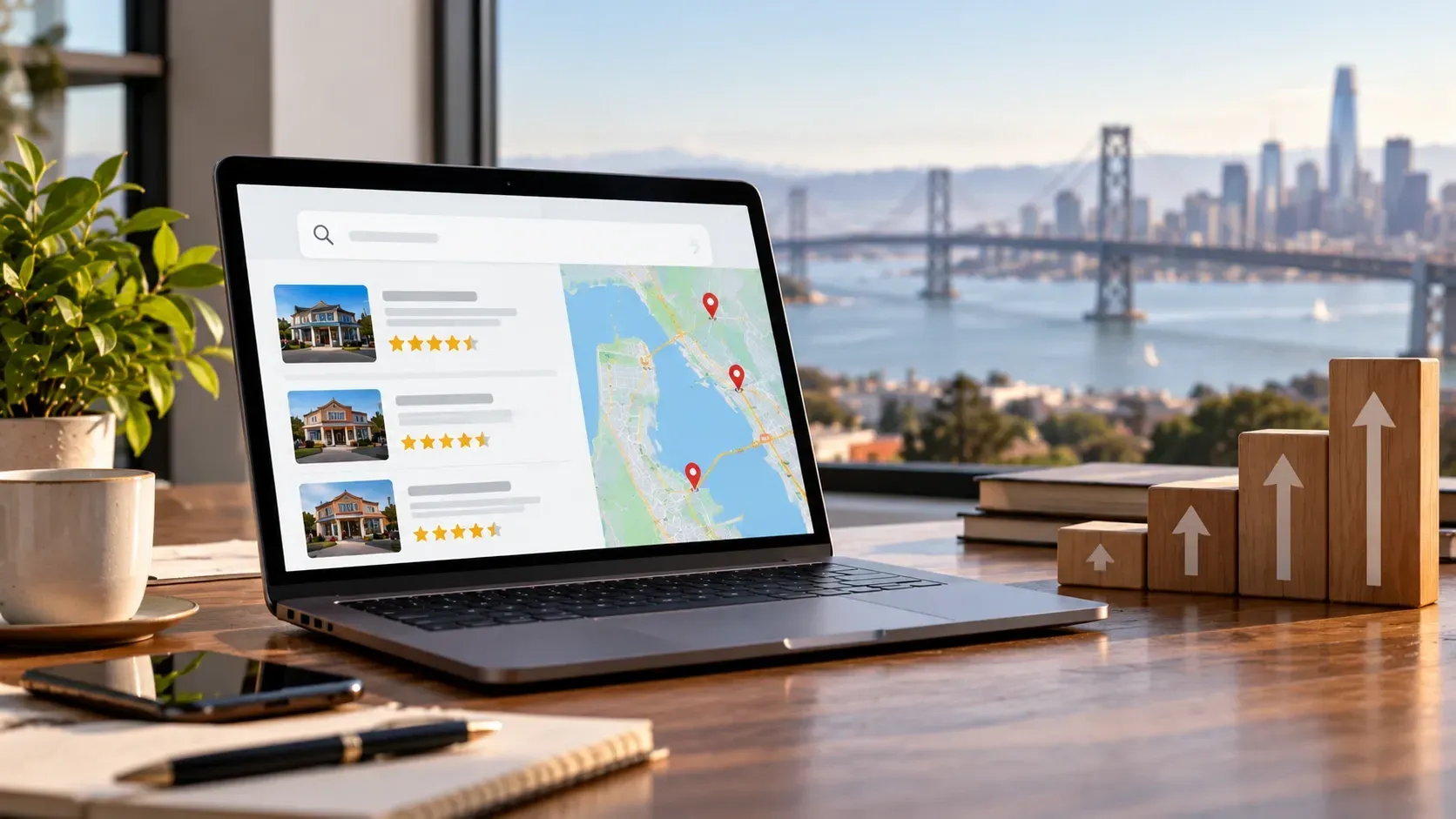
Layer 1: Discoverability. If the right people can't find you in local search, conversion rate is irrelevant. This layer covers local SEO fundamentals, Google Business Profile completeness, and business listings accuracy across voice search platforms.
Layer 2: First Impression Trust. This is where most businesses quietly bleed conversions. Outdated design, missing reviews, no visible location signals, and slow load times all register before a visitor reads a single word of copy. Fixing this layer alone can change the trajectory of an entire campaign.
Layer 3: Page Behavior. Even a trustworthy-looking page can fail if the call to action is buried, the phone number isn't tappable on mobile, or the form asks for too much before offering anything back. The 4x Conversions framework addresses this through conversion rate optimization built around how real visitors behave on local business pages, not how they're theoretically supposed to behave.
Layer 4: Follow-Through. Conversions that happen once don't compound unless the business has a system in place for generating reviews, re-engaging past visitors, and maintaining search visibility over time.
Most agencies pick one of these layers and call it a campaign. Working all four in sequence is what produces a multiplier effect rather than marginal lift.
Why Does Fixing One Thing at a Time Rarely Work?
Consider a common scenario: a local service business runs Google Ads, gets steady clicks, and notices a disappointing conversion rate. A vendor recommends a new landing page. The page goes live and the conversion rate improves slightly. The vendor calls it a win.
It isn't a win. It's a partial fix on one layer while three others stay broken.
Here's what's typically happening in that situation. The paid clicks are reaching a page that carries no recent reviews, a phone number that isn't tappable on mobile, and a Google Business Profile with photos from several years ago. A new landing page helps with copy clarity, but the trust gap and the profile gap keep absorbing the rest of the traffic. Visitors arrive primed to buy, scan the page in seconds, and don't see enough evidence that this business is active, credible, and capable of helping them specifically.
Conversion rate optimization without reputation repair is like patching one hole in a bucket and wondering why it's still leaking.
UPM Digital Media's process starts with a full-funnel audit before recommending any single tactic. That diagnostic approach is what produces compounding results rather than isolated improvements. To get a read on which layer is costing you the most right now, schedule a free consultation with a dedicated local marketing expert.
How Does This Approach Compare to Going It Alone or Waiting?
| Scenario | What Gets Addressed | Likely Outcome | Real Cost |
|---|---|---|---|
| Do nothing, wait another quarter | Nothing | Competitors build more reviews, rank higher, and capture your traffic | Lost revenue compounds every week |
| Run ads without fixing the funnel | Traffic volume only | More clicks at the same low conversion rate | Ad spend rises; cost per customer stays high |
| Hire based on price alone | Whatever that vendor prioritizes | Inconsistent results, no account continuity | Time and budget spent on partial fixes with no compounding gain |
| UPM Digital Media 4x methodology | All four conversion layers in sequence | Compounding lift across traffic, trust, and action | A durable result rather than a temporary spike |
The honest tradeoff worth naming: a full-funnel rebuild takes longer to show results than a single-tactic campaign. Paid ads can produce a lead quickly. Building the trust layer, the profile, the page behavior, and the follow-through system takes weeks to construct and weeks more to compound. That timeline is the price of a durable result. And the cost of waiting isn't zero. Every week a competitor's review count grows while yours stays flat is a week you're losing the silent comparison every new visitor runs before deciding who to call.
What Role Does Reputation Play in Conversion Rate?
Reputation isn't a brand-building exercise. It's a conversion mechanism.
When a visitor compares two local businesses, they'll typically choose the one with a steady stream of recent, positive reviews over the one with fewer or older reviews, even when the second business is genuinely more capable. The reviews aren't evidence of quality in any technical sense. They're a substitute for the firsthand experience the visitor doesn't have yet.
This is why reputation management done right isn't about responding to negative reviews after the fact. It's about building a steady, current stream of social proof that answers the unspoken objection every visitor carries before they ever contact you.
UPM Digital Media's reputation layer includes review generation systems that prompt real customers at the right moment in the service cycle. Timing matters here because a review request sent immediately after a positive experience reaches a customer who still feels the emotional peak of that experience. A request sent days later arrives when that feeling has faded, and the rate at which customers respond and leave reviews drops accordingly.
Who Gets the Most From This Methodology?
The 4x Conversions approach works best for businesses that already deliver genuine value to their customers. If the underlying product or service has real quality problems, improving the conversion funnel will accelerate negative reviews, not positive ones.
It also requires patience for the trust layer to build. If you need leads within days, Google Ads or Local Service Ads can produce faster short-term volume. The full methodology is the right call when you want that paid traffic to convert at a rate that justifies the spend consistently, month after month.
Businesses with no digital presence at all may need foundational work on their website before conversion optimization produces meaningful results. That's not a disqualifier. It's a sequencing question, and UPM Digital Media's team assesses exactly that during the initial consultation.
With more than 25 years in digital marketing and growth-driven local experts operating across nearly every state in the United States, UPM Digital Media has seen enough funnels to know which layer breaks first in almost every industry. That diagnostic speed is part of what clients stay for, and why so many remain clients for years.
FAQ
How long does it take to see results from the 4x Conversions methodology?
The discoverability layer can show movement within the first one to two months with consistent optimization. The trust and reputation layers take longer because they depend on real customer activity accumulating over time. Results compound rather than spike, which means the gains you see three months in are typically smaller than the gains you see six months in as the reputation layer builds momentum.
My business already runs Google Ads. Do I need to pause them while this work happens?
No. Paid campaigns and the 4x methodology run in parallel. The conversion optimization work actually makes your ad spend more efficient because you're sending paid traffic to a page and profile built to convert, rather than a funnel that wastes clicks.
How is this different from hiring a standard SEO company?
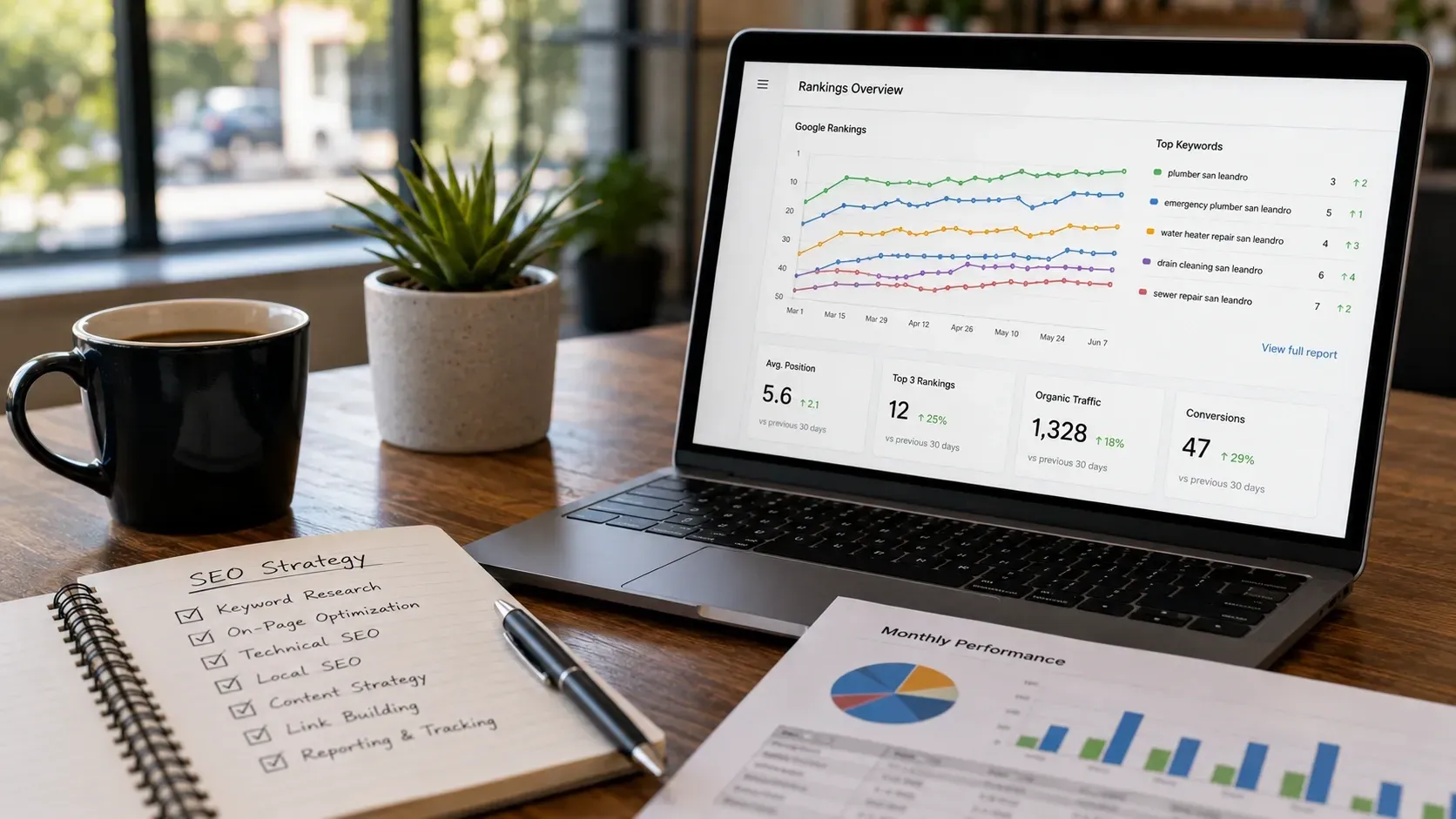
Traditional SEO focuses on rankings. The 4x methodology uses rankings as one input into a broader conversion system. A business can rank on page one and still convert at a low rate if the trust layer and the page behavior layer are broken. The methodology treats search visibility as the starting point, not the finish line. You can read more about how local SEO fits within a broader strategy to understand how these pieces work together.
What is the pay-per-result model and does it apply here?
UPM Digital Media offers a pay-per-result SEO model priced at $650 to $950 per month when your chosen search terms reach page one of Google. You don't pay if the rankings aren't achieved. The 4x Conversions methodology is a broader engagement that covers reputation, page optimization, and conversion architecture beyond rankings alone. Both can work together within the same engagement.
What if I'm a small business? Is full-funnel work within reach?
The real cost question is what you're currently spending on traffic that doesn't convert. A business running paid ads at a low conversion rate is paying far more per customer than it needs to, on the exact same budget. The reason is straightforward: every click costs the same whether the visitor converts or bounces, so a conversion rate that's half as good means a cost per customer that's roughly twice as high. The methodology is designed to make your existing spend more productive, not to stack additional cost on top of a broken system.
What happens after the initial setup?
Conversion rate and local search visibility aren't static. Competitors optimize, Google updates its ranking signals, and customer review patterns shift. UPM Digital Media provides ongoing optimization, and every client keeps a dedicated account manager who monitors performance and adjusts strategy as conditions change. That continuity is a core part of how clients get durable results rather than one-time lifts.
How do I get started?
UPM Digital Media offers a free 30-minute consultation. During that session, a dedicated local marketing expert reviews your specific situation, identifies which layer of your conversion funnel is creating the most friction, and outlines what a customized strategy would look like for your business. There's no generic checklist and no obligation. Reach out through the contact page to book your session.
The most expensive decision a local business makes isn't hiring an agency. It's spending another quarter sending traffic to a funnel that was never built to close.
About the Author
Les Ong is a marketing consultant and entrepreneur with more than 25 years of experience in the digital media space. He specializes in helping small and medium-sized businesses compete with larger brands by applying high-end marketing technology that has historically been out of reach for businesses without enterprise budgets. Les founded UPM Digital Media and leads a team of growth-driven local marketing experts operating across the United States.