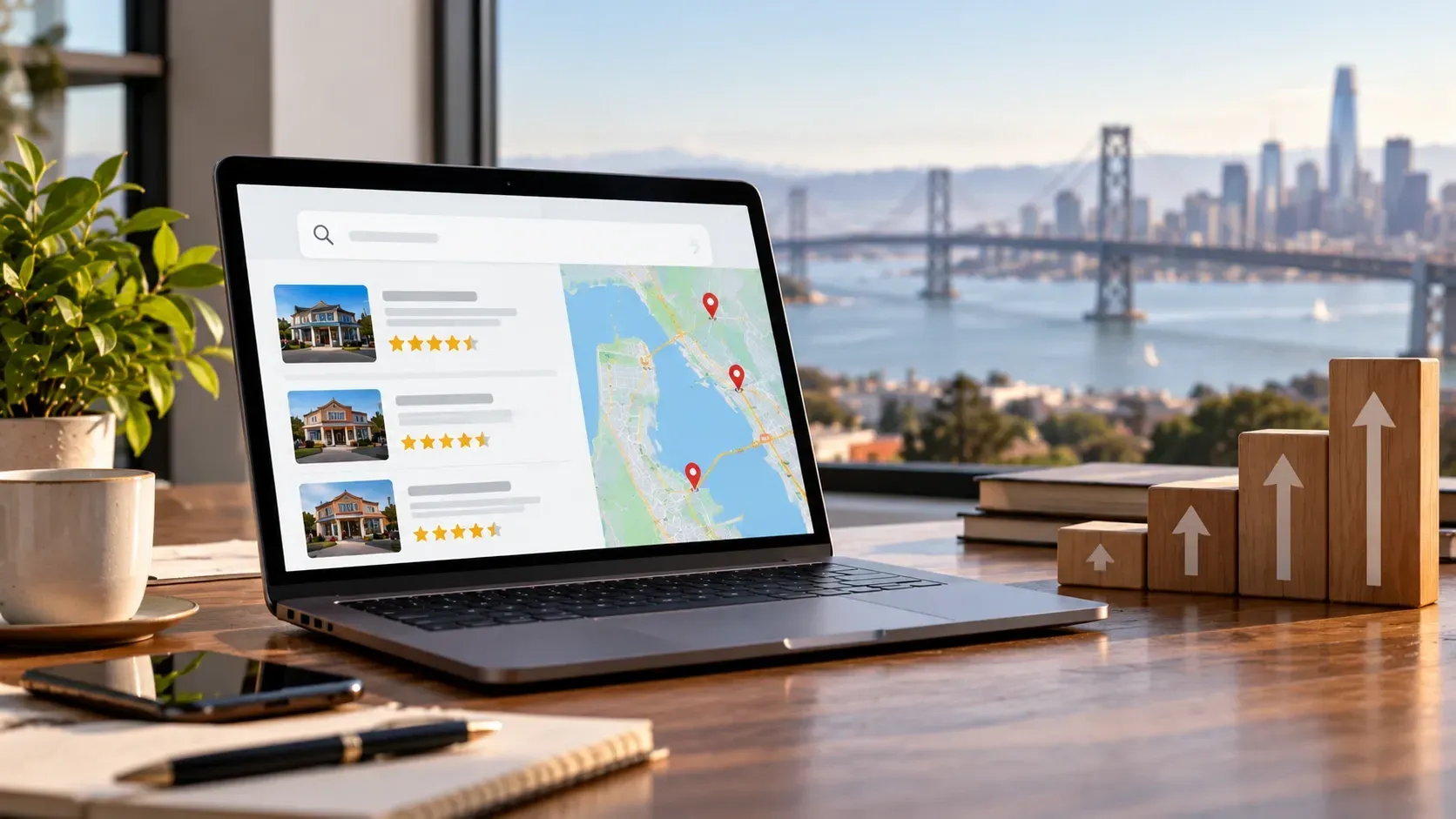
Your website is either working for you right now or it's quietly costing you customers. Most local business owners don't know which one it is until they check their lead volume and realize it's been flat for months.
Digital visibility marketing is the practice of making your business findable, credible, and compelling across every channel where buyers search before they spend money. The question isn't whether you need it. It's which vehicle actually delivers it for your business size, market, and goals.
Key Takeaways
- A winning website converts visitors into leads, but only if it's paired with traffic-driving channels like local SEO or paid ads.
- Social media builds brand awareness but rarely drives direct purchase intent for local service businesses.
- Paid advertising produces fast results but stops the moment you stop paying.
- Local SEO compounds over time and delivers the highest cost-per-lead efficiency for most brick-and-mortar businesses.
- The right channel depends on where your buyers are in the decision process, not which channel is currently trending.
What Does "Digital Visibility Marketing" Actually Mean for a Local Business?
Digital visibility marketing is the full system of tactics that make your business appear in front of the right buyer at the right moment across search, maps, social, and review platforms.
That definition matters because most business owners treat it as a single decision: "Should I do a website, run ads, or post on social media?" That framing is the problem. These aren't competing choices. They're different tools for solving different parts of the same problem.
A website without traffic is a brochure no one reads. Ads without a converting website are expensive noise. Social media without search presence misses every buyer who's already decided they want what you sell.
The failure isn't usually the platform. It's the goal.
Why Do So Many Local Businesses End Up With the Wrong Channel Mix?
The root cause isn't budget. It's that each channel is sold by someone who specializes in that channel.
Your web designer says the site needs to be better. Your social media consultant says you need more posts. The ad agency says you need to spend more on Google. Every one of them is telling you the truth about their piece, and none of them is responsible for the whole picture.
This is the structural problem with piecemeal digital marketing: no one is accountable for the outcome. You end up with a beautiful website that ranks for nothing, a social feed that gets likes from people who'll never buy, and ad campaigns that generate clicks but no calls.
That's not a strategy problem. It's a category misunderstanding that costs real revenue every month.
The 5 Main Digital Visibility Channels: What Each One Actually Does
Here's an honest breakdown of the five most common options local businesses choose between, what each one is built for, and where each one falls short.
1. Winning Websites (Conversion-Optimized Web Presence)
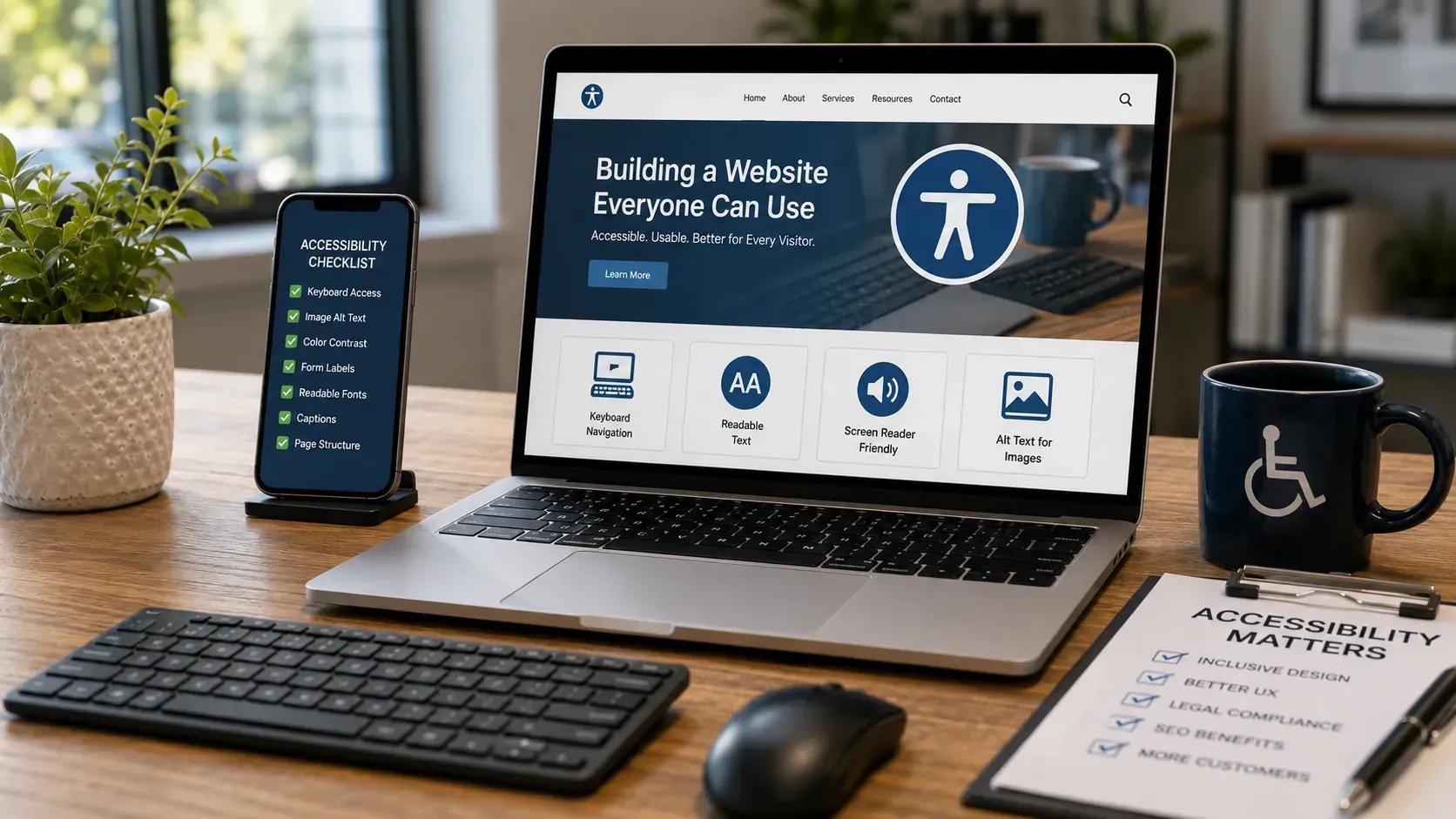
A winning website is a site built specifically to convert visitors into leads or customers, not just to look professional.
This means fast load times, mobile-first design, clear calls to action, trust signals like reviews and credentials, and copy written for the buyer's decision stage rather than the business owner's ego.
The mechanism: a well-built site resolves the trust objection before the buyer picks up the phone. They've already seen your reviews, your service area, your pricing range, and your answer to the question they typed into Google. By the time they call, they've already decided.
The limitation: a great website produces zero results without traffic. It's the destination, not the vehicle. You still need search, ads, or social media to drive visitors to it.
UPM Digital Media's winning website framework is built around this conversion-first logic, pairing site architecture with the traffic channels that feed it.
2. Local SEO
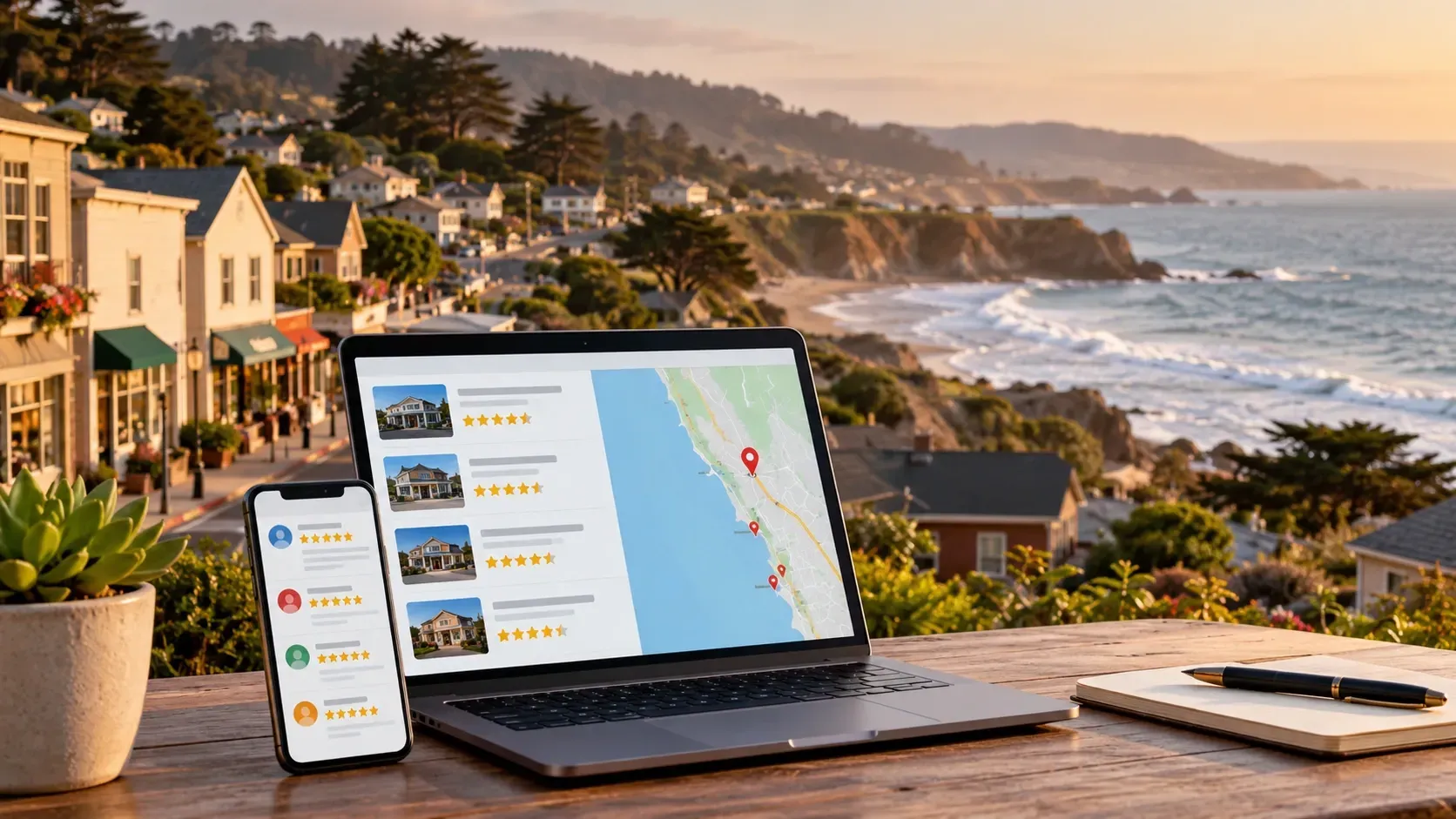
Local SEO is the process of making your business rank in Google's local results, including the map pack and organic listings, for searches with geographic intent.
It's the highest-leverage channel for most local service businesses because it captures buyers who are already in decision mode. Someone searching "plumber in San Mateo" or "dentist near El Granada" isn't browsing. They're ready to call.
The mechanism: local SEO works by establishing relevance (your content matches what they searched), proximity (your location matches their intent), and authority (your reviews and citations signal that you're the trusted option). Google's algorithm weights all three simultaneously.
The compounding effect is real. A site that earns strong local rankings in month six keeps generating leads in month eighteen without additional spend per click.
The limitation: it takes time. You're unlikely to see significant ranking movement in the first sixty days. If you need leads this week, local SEO alone won't solve that.
For businesses in the Bay Area, the local SEO vs. alternatives breakdown covers the competitive dynamics specific to Northern California markets.
3. Google Ads and Local Service Ads
Paid search is the fastest path to visibility. You can be on page one of Google tomorrow.
Google Ads and Local Service Ads work differently from each other. Google Ads runs on keyword bids and sends traffic to your website. Local Service Ads show your business at the very top of results with a "Google Guaranteed" badge and charge per lead, not per click.
The badge does something specific: it resolves the trust objection before the buyer even clicks.
The limitation: both stop the moment your budget runs out. There's no compounding. You're renting visibility, not building it. For businesses with tight margins or seasonal revenue, the cost-per-lead can become unsustainable without careful management.
4. Social Media Marketing
Social media is a brand awareness channel, not a purchase-intent channel.
The mechanism: social platforms surface content to people who aren't actively searching for anything. That's useful for staying top of mind with past customers, building community, and generating referrals. It's not useful for capturing someone who just decided they need a roof inspection.
The contrarian reality: most local businesses over-invest in social media because it feels active and measurable. Likes and followers are visible. Organic search rankings are invisible until they're not. That visibility bias causes real misallocation of time and budget.
Social media marketing works best as a supporting channel, not a primary lead-generation engine, for most local service businesses.
5. Reputation and Review Management
Review management is the practice of systematically generating, monitoring, and responding to customer reviews across Google, Yelp, and industry-specific platforms.
This is the most underrated channel in the mix. Here's why: reviews don't just influence buyers who read them. They directly affect how Google ranks your business in local search. A business with 200 recent, high-quality reviews outranks a competitor with 40 old ones, even if the competitor has a better website.
The mechanism: Google treats review volume and recency as a proxy for business activity and customer satisfaction. More reviews signal a healthier, more trusted business, which earns higher placement.
UPM Digital Media's reputation management approach is built around this connection between reviews and rankings, not just brand perception.
The Channel-Fit Matrix: Which Option Fits Your Situation?
| Your Situation | Best Primary Channel | Why |
|---|---|---|
| Need leads within 30 days | Google Ads / Local Service Ads | Immediate visibility, no ranking wait |
| Building long-term lead flow | Local SEO + Winning Website | Compounds over time, lowest cost-per-lead |
| Launching a new business | Paid ads first, then SEO | Can't rank with no history; ads bridge the gap |
| Strong offline reputation, weak online | Review management + Local SEO | Converts existing trust into digital authority |
| High-ticket service with long sales cycle | Website + Social + Email | Buyers research extensively before committing |
| Competing in a saturated local market | Full-stack: SEO + Ads + Reviews | Single-channel approaches get outspent or outranked |
Who Should NOT Rely on Any Single Channel?
Any business in a competitive local market is taking a real risk by betting on one channel.
Consider a typical scenario: a dental practice in Redwood City runs Google Ads for two years and builds a solid patient base. Then their ad costs double because three new competitors enter the market. They have no organic rankings, no review volume strategy, and no email list. Their lead cost triples overnight.
That's not bad luck. It's the predictable outcome of single-channel dependence. The businesses that dominate local search in competitive Bay Area markets almost always have at least three channels working together: a converting website, strong local SEO, and a review generation system that keeps their rating fresh and visible.
If you want to understand whether your current channel mix has gaps, UPM Digital Media offers a free 30-minute consultation to audit your digital footprint before recommending anything.
What Realistic Outcomes Actually Look Like
No channel produces overnight results except paid ads, and paid ads stop when you stop paying.
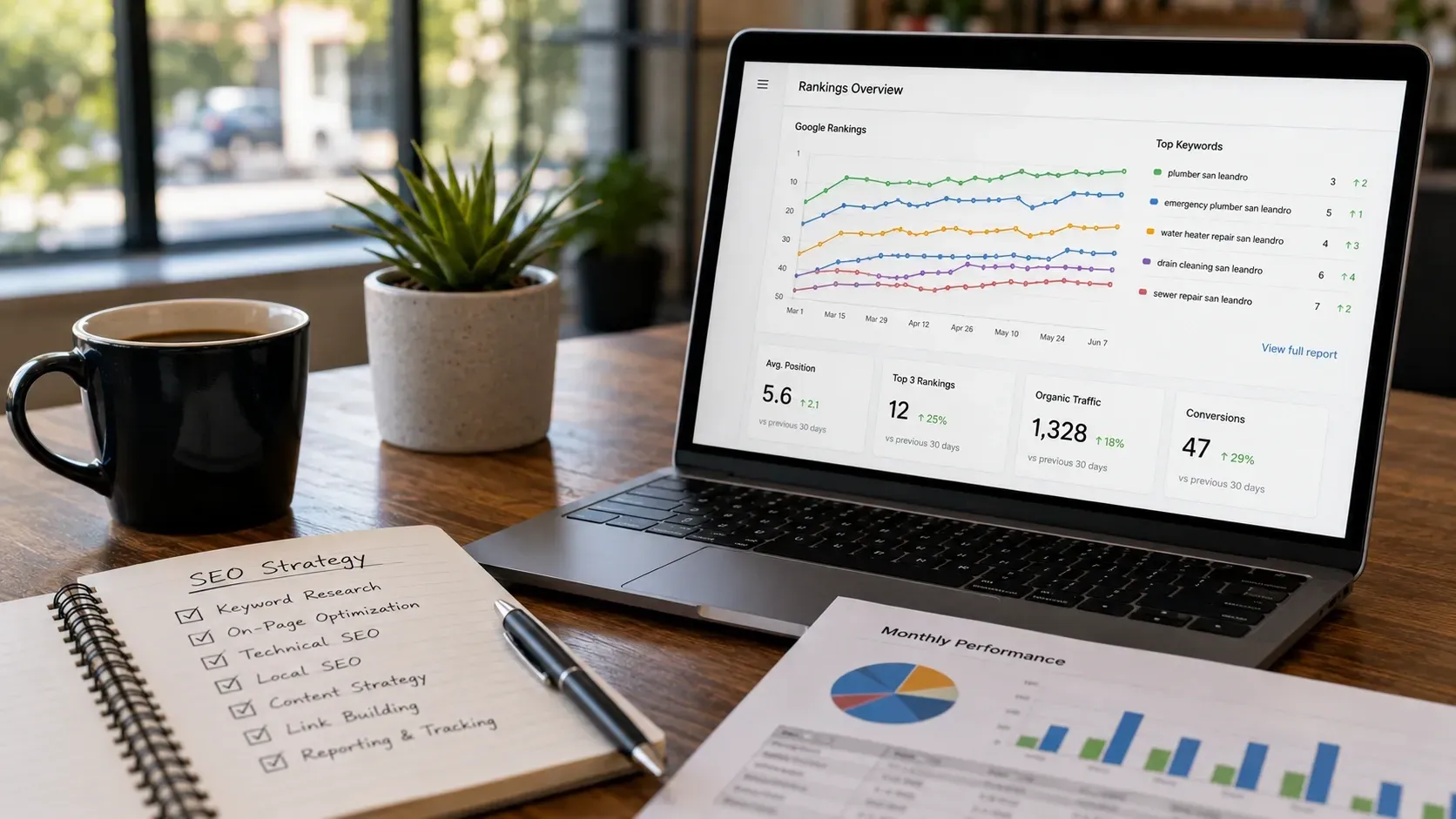
For local SEO, a realistic timeline for a business in a mid-competition market is three to six months before meaningful ranking movement, and six to twelve months before it becomes a primary lead source. That's not a flaw. It's the nature of building something that compounds.
For paid ads, results can appear in days, but cost-per-lead varies widely by market. A home services business in San Jose will pay more per click than the same business in a smaller Northern California market. Without proper campaign management, budgets disappear fast.
UPM Digital Media operates on a pay-per-result SEO model priced between $650 and $950 per month when ranked, with no payment required if the ranking isn't achieved. That structure exists because the company is confident enough in its process to tie compensation to outcomes, not activity.
The worst outcome isn't choosing the wrong channel. It's running the right channel without the infrastructure to convert leads when they arrive.
What Doesn't Work (and Why)
Chasing the newest platform without fixing your foundation is the most common expensive mistake in local digital marketing.
If your Google Business Profile is incomplete, your website loads slowly on mobile, and you have fewer than twenty recent reviews, no amount of TikTok content or Facebook ads will fix your lead problem. You're pouring traffic into a leaky bucket.
Proper Google Business Profile optimization and accurate business listings are the foundation. Everything else builds on top of them.
Ready to find out which channels are actually working in your market right now? Schedule a free consultation with UPM Digital Media and get a clear picture of where your digital visibility stands before you spend another dollar.
Frequently Asked Questions
How long does it take for a website to start generating leads?
A new website with no traffic sources attached to it generates almost no leads on its own. You need either paid ads or local SEO running alongside it. With paid ads, you can see traffic within days. With local SEO, expect three to six months before meaningful organic traffic builds, depending on your market competition.
Is local SEO worth it if I already run Google Ads?
Yes, and the two channels serve different buyer behaviors. Paid ads capture buyers who are ready to act right now. Local SEO captures buyers who are researching, comparing, and building trust before they call. Running both means you're visible at every stage of the decision process, not just the final moment.
Why are my Google Ads not converting even though I'm getting clicks?
Clicks without conversions almost always point to a website problem, not an ad problem. If the landing page loads slowly, doesn't match the ad's promise, lacks trust signals like reviews or credentials, or buries the call to action, buyers leave before they contact you. Fix the site before increasing ad spend.
How many reviews do I actually need to compete in local search?
There's no universal number, but the pattern is consistent: you need more recent reviews than your top-ranked competitors. A business with 300 reviews from three years ago is often outranked by a competitor with 80 reviews from the last six months. Recency signals to Google that the business is active and customers are satisfied.
Can I handle digital visibility marketing myself without an agency?
You can manage individual tactics yourself, but the compounding problem is coordination. Local SEO, review management, paid ads, and website optimization each require different skills and ongoing attention. Most business owners who try to run all of it themselves end up doing each piece inconsistently, which produces inconsistent results. The cost of doing it poorly is usually higher than the cost of doing it right.
What's the difference between Local Service Ads and regular Google Ads?
Local Service Ads appear above regular Google Ads in search results and display a "Google Guaranteed" badge next to your business name. You pay per lead, not per click, and Google vets businesses before approving them for the program. Regular Google Ads give you more control over keywords and targeting but require a website to send traffic to. Both have a place depending on your goals and market.
How do I know if my current digital marketing is actually working?
The clearest signal is lead source tracking: do you know how each new customer found you? If you can't answer that question, you don't have enough data to make good channel decisions. At minimum, you should know your monthly website traffic, your Google Business Profile call volume, and your cost per lead from any paid campaigns. Everything else is noise until those three numbers are visible.
About the Author
Les Ong is a marketing consultant and entrepreneur with over 25 years of experience in the digital media space. He specializes in helping small-to-medium-sized businesses compete with larger brands using high-end marketing technology and a pay-per-result philosophy. Les founded UPM Digital Media and manages a team of growth-driven local marketing experts operating across nearly every state in the United States.